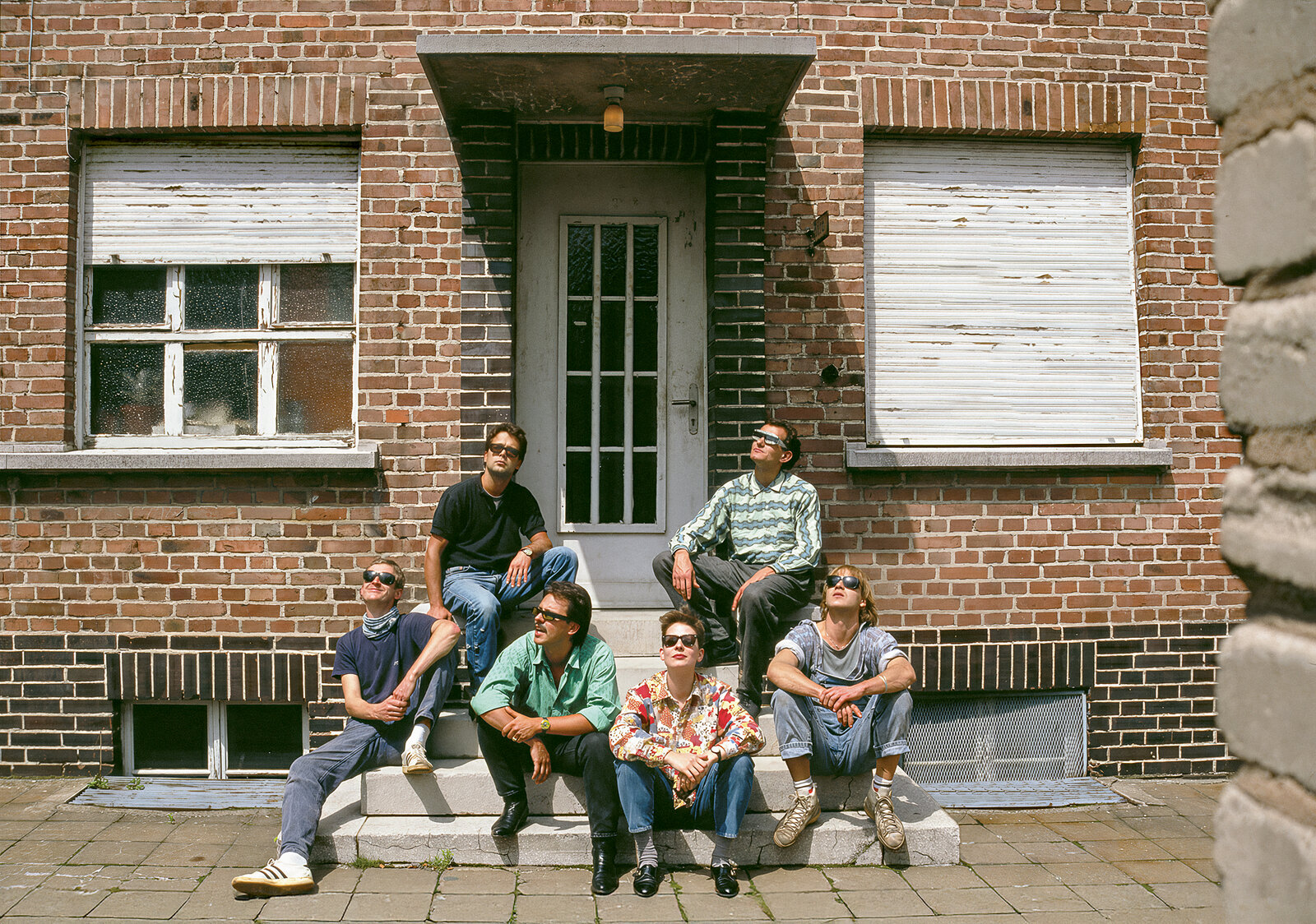
How an Idea Became a Company
At the beginning of the 1980s, Jean-Marc da Costa and Manfred Wolf met while studying industrial design at the Hochschule für Gestaltung Offenbach. They shared a desire not only to design products, but also to take responsibility for their development themselves – from the initial idea through to series production.
Their collaboration led to the founding of serien Raumleuchten GmbH in 1983.
What began with a small number of luminaires developed over the following decades into an international company.
1980
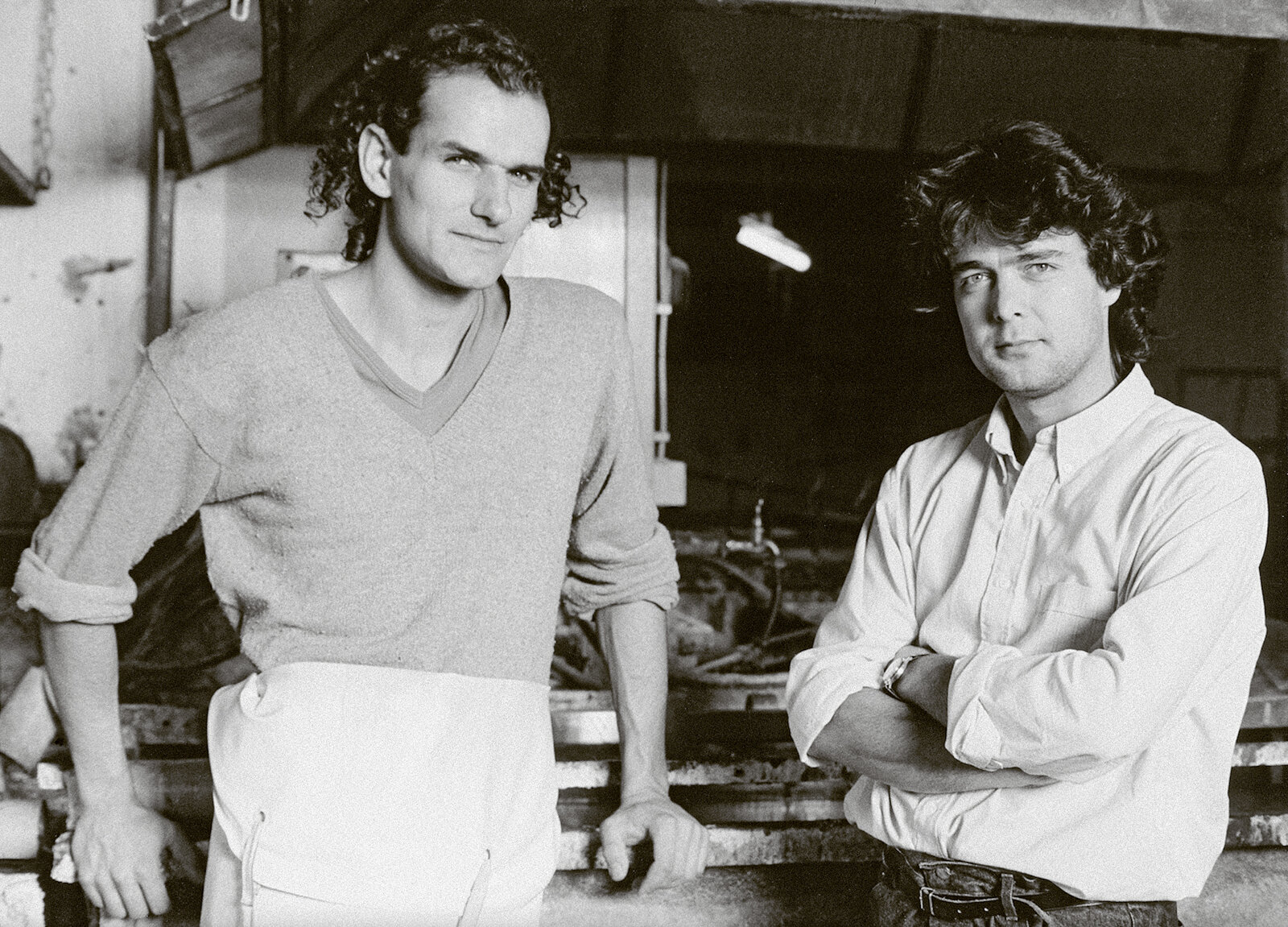
Two Designers
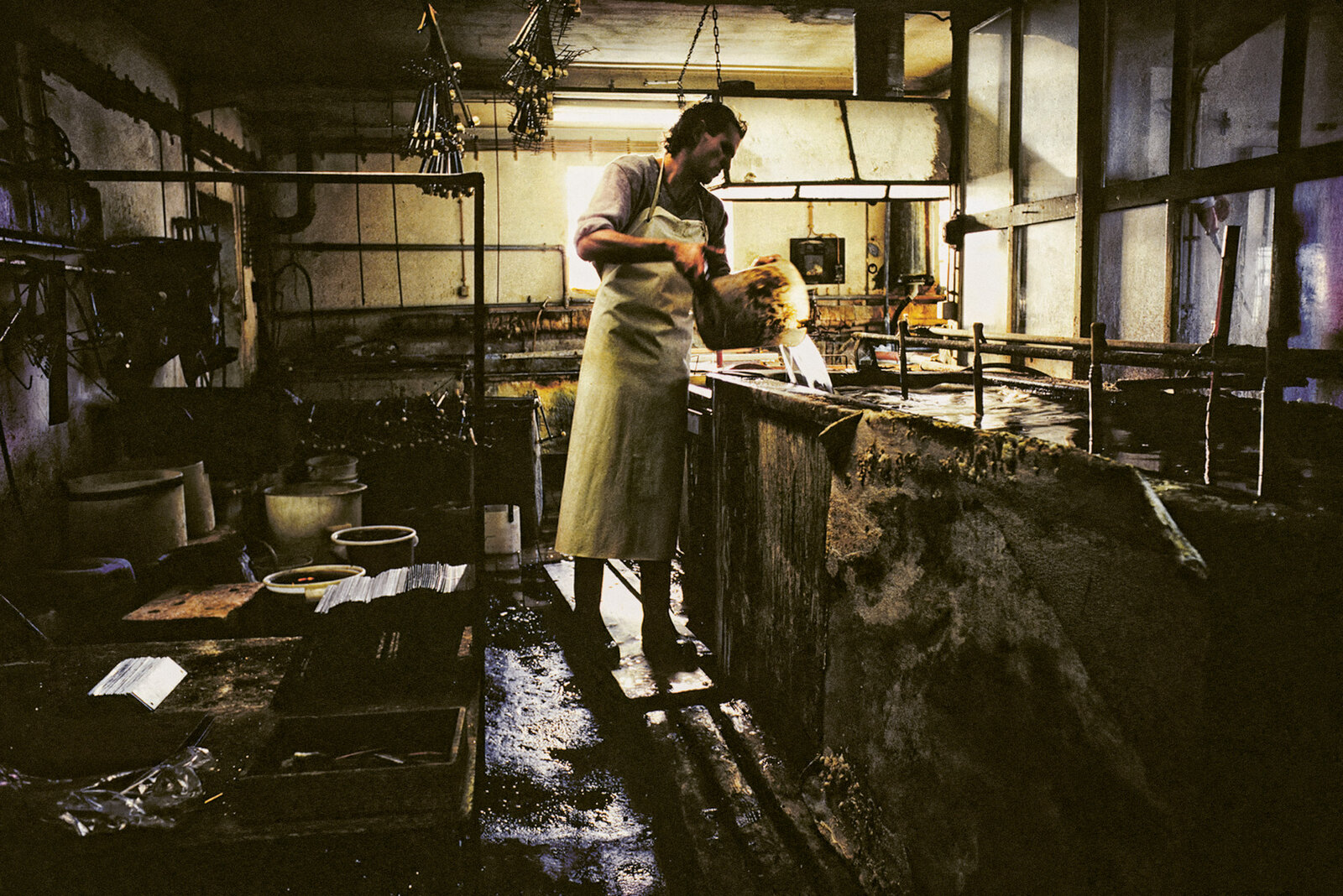
While still students, Jean-Marc da Costa and Manfred Wolf developed their first luminaires together. Both brought their own design perspective; Manfred Wolf also contributed the craft expertise and facilities of his family’s metalworking business. The first prototypes and product ideas were developed in the workshop in Rodgau.
From the outset, their work was about more than designing individual luminaires. Even in these early designs, construction, material and light were understood as interrelated aspects of a single task – an approach to development that continues to shape the company today.
1983
A Path of Their Own
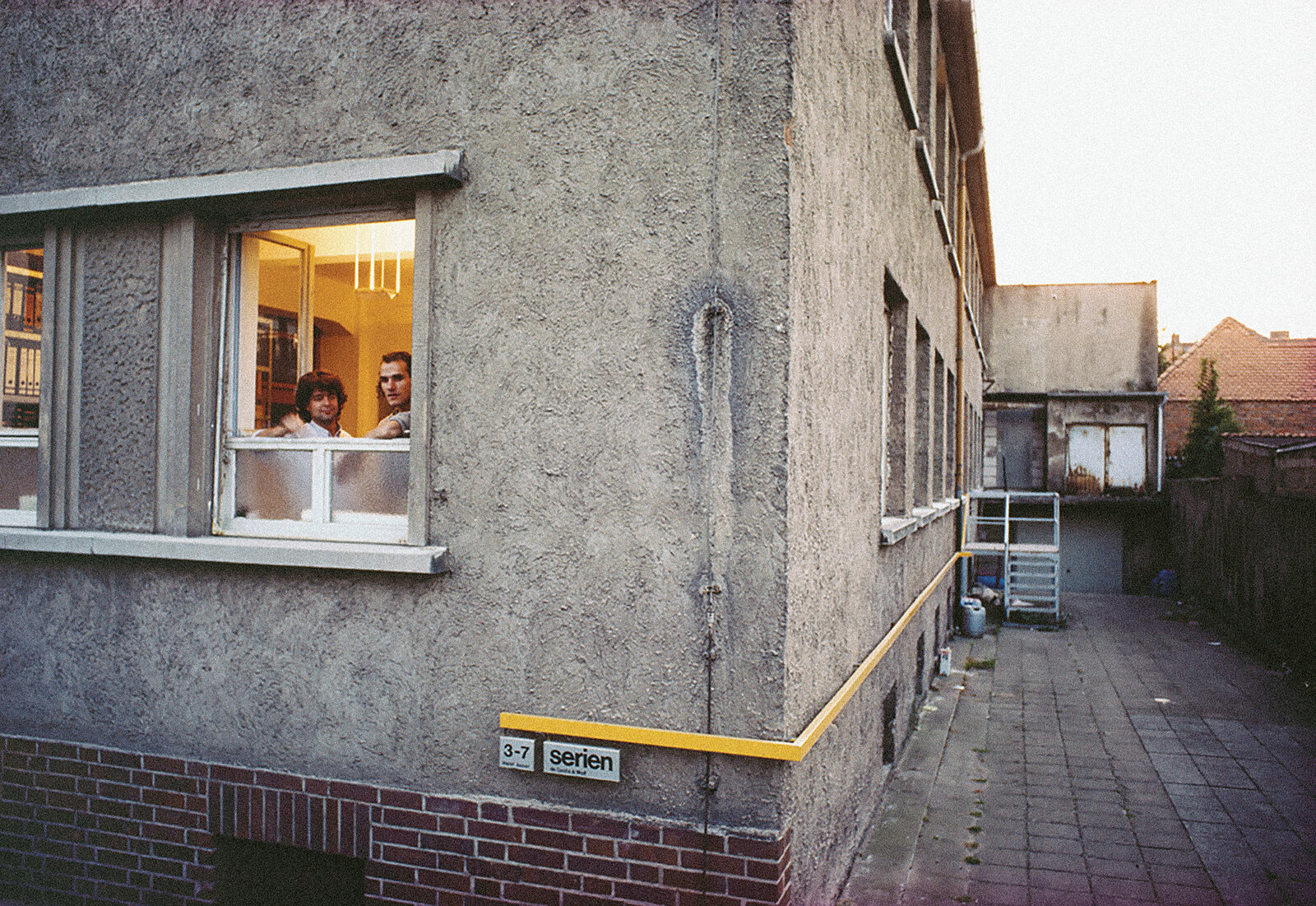
Shared designs became a shared company.
For two young industrial designers, this was an unusual step in the early 1980s: from the outset, they took responsibility for development, production and sales themselves.

1985
Becoming Manufacturers
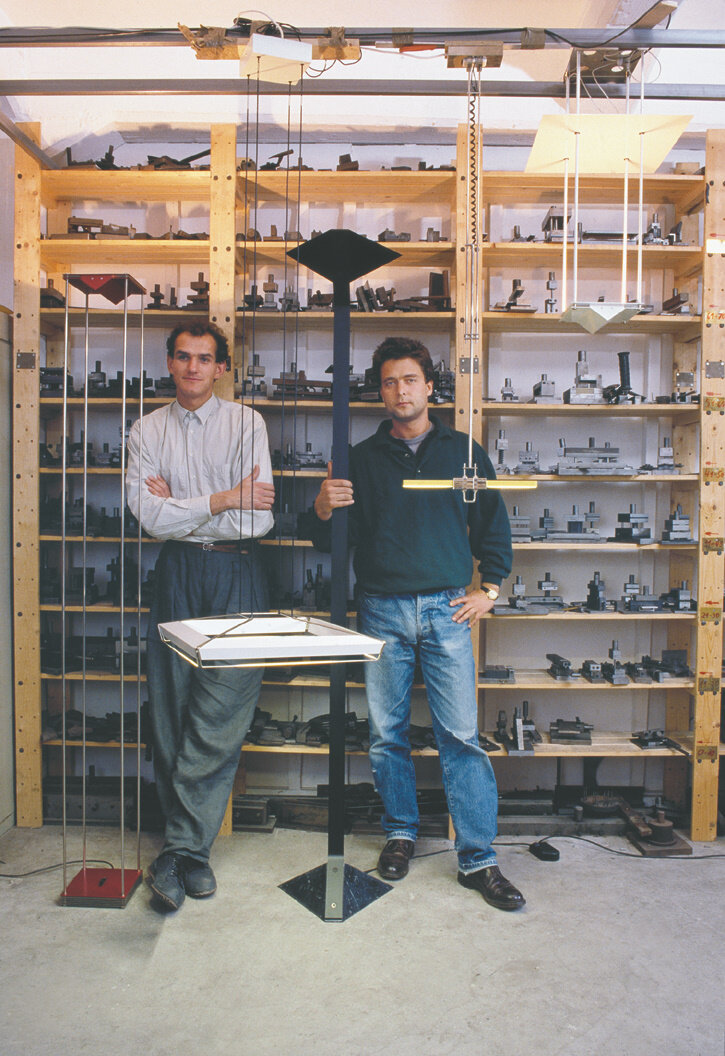
Founding their own company gave them the freedom to pursue their ideas consistently. The first luminaires were developed, engineered, manufactured and marketed in-house – independently of established manufacturers.
Construction as the Starting Point for Form
The early designs already reveal what continues to define the work of serien.lighting today: a constructive clarity that makes both structure and function comprehensible.
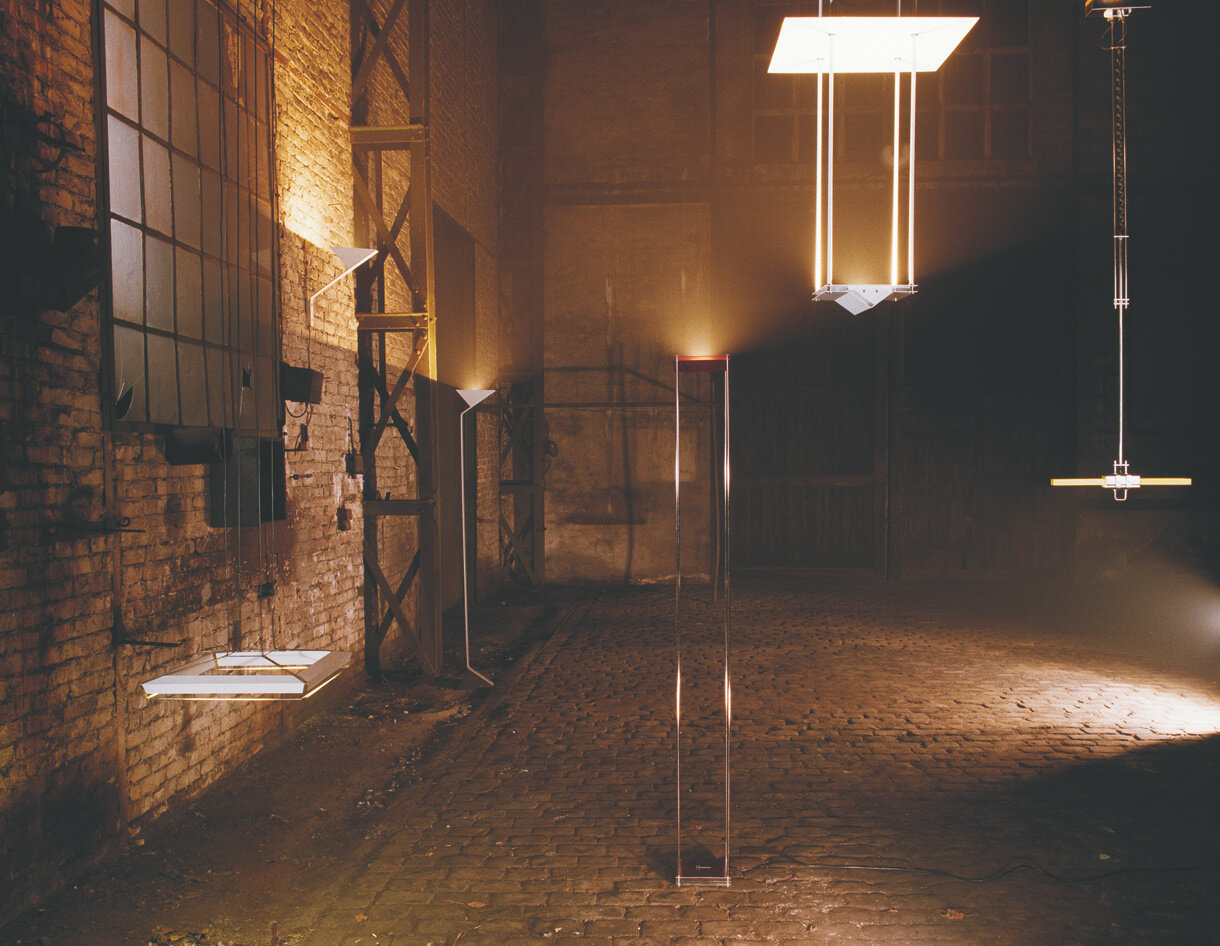
In 1985, serien.lighting presented its first collection at the International Furniture Fair in Cologne. The collection attracted considerable attention, and the response confirmed the direction the company had taken. Its successful market launch laid the foundation for the company’s further development.
1990
Developing Light
With every new product, the lighting effect takes a more central role in the development process. Form, choice of materials and construction are derived from the task at hand rather than from a recurring formal language.
This results in luminaires with very different characters, connected by a shared approach to development: every task calls for its own constructional and design solution.
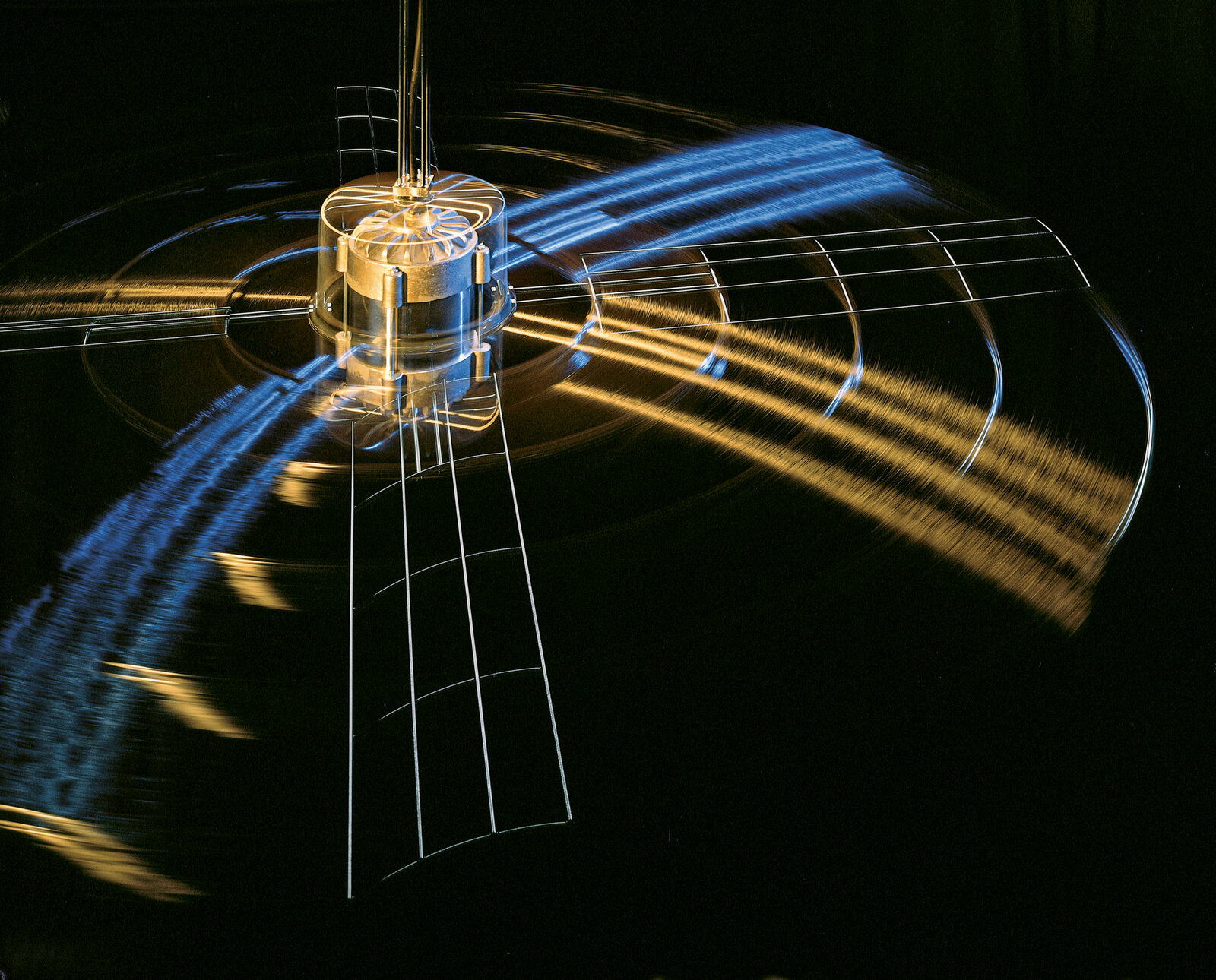
Components are not concealed, but remain visible. Materials are used according to their properties. Connections form part of the design.
In this context, form is not conceived as an independent statement. It emerges from a process shaped by material, production and lighting technology.
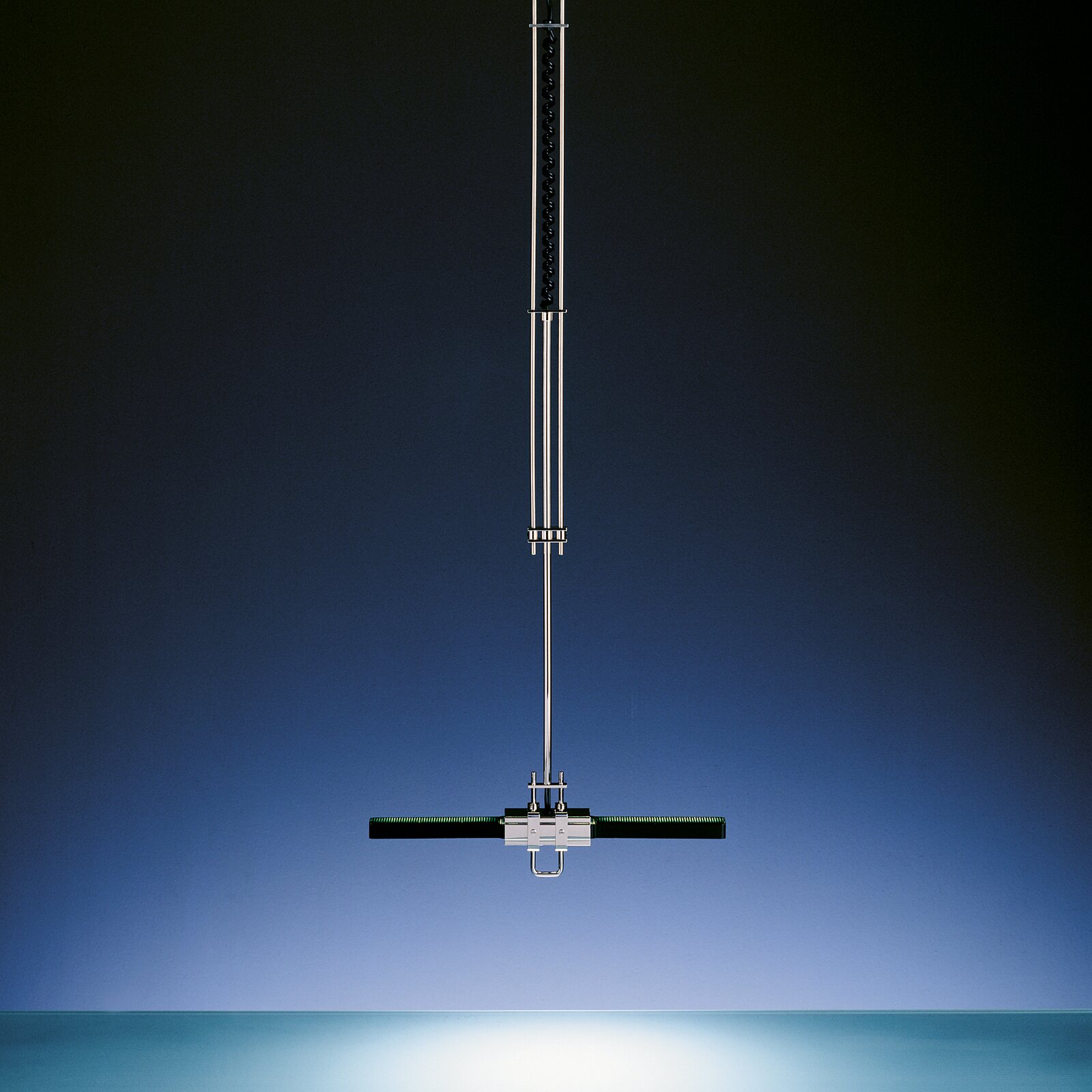
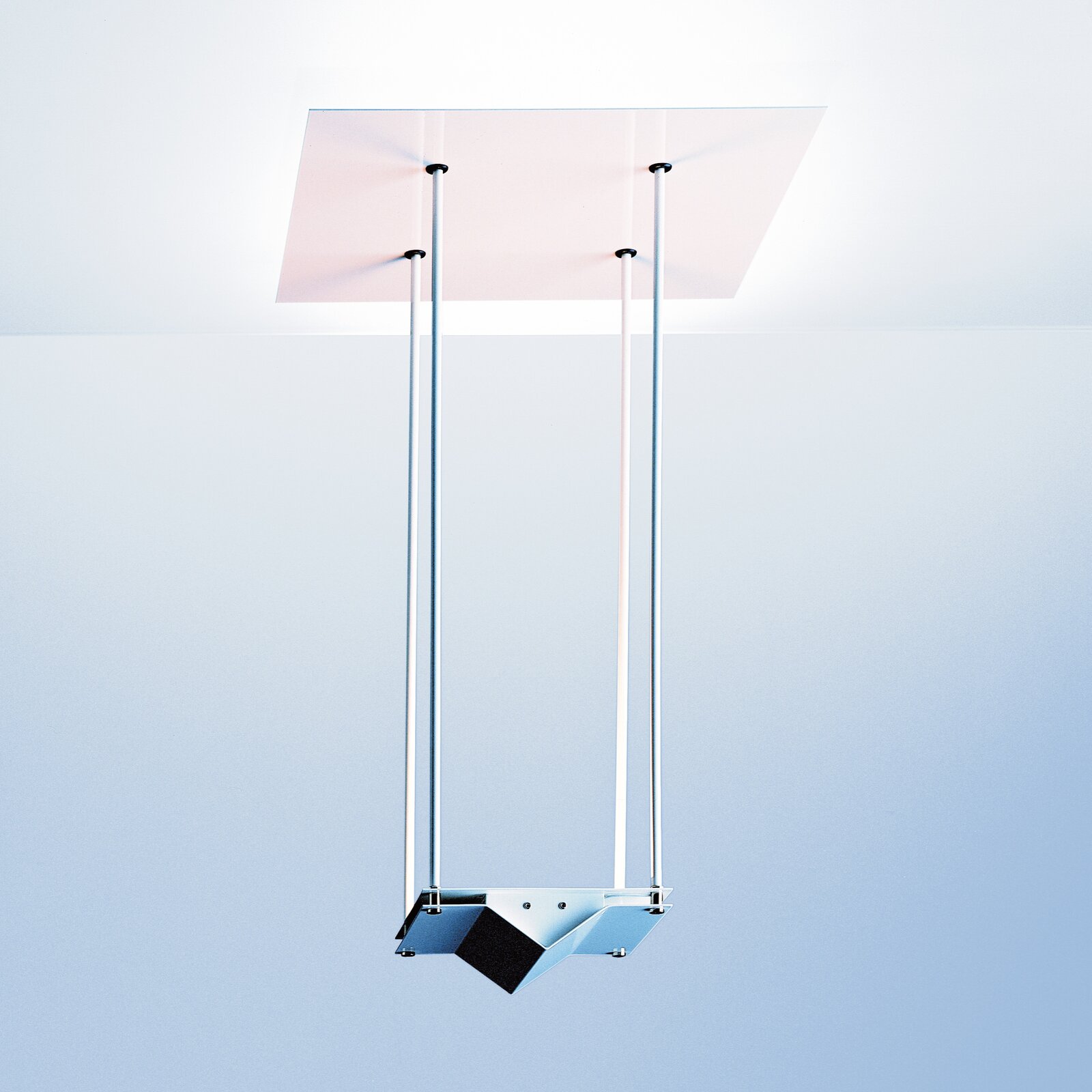
At the same time, development consistently begins with the light source. New lighting technologies are adopted at an early stage and lead to independent designs rather than adaptations of existing forms.
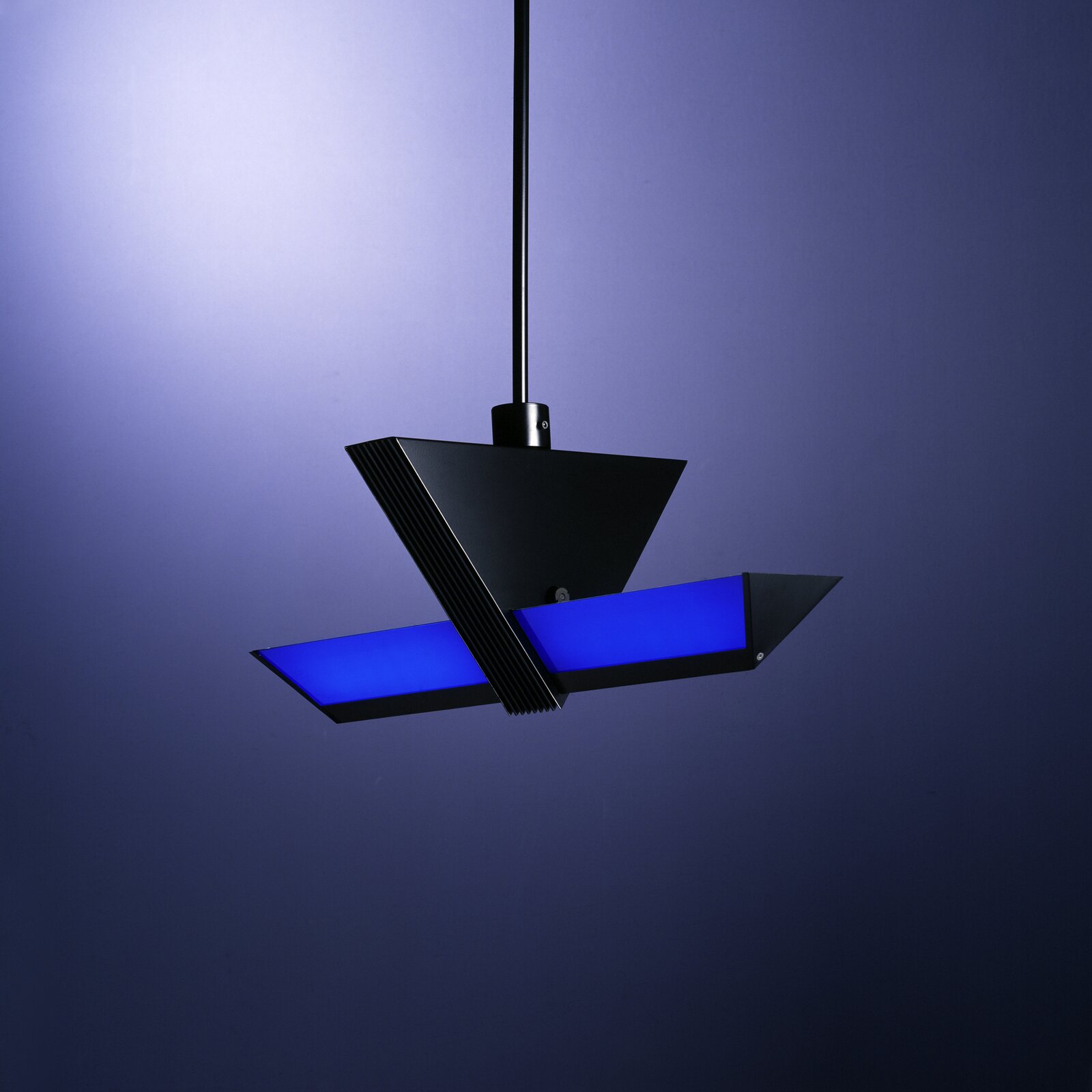
FLUOR marked serien’s first collaboration with an external designer, Carlos Castellanos. It was the beginning of an approach to working with independent designers that continues today.
Alongside the development of products for series production, project-specific solutions for particular architectural requirements have been created since the 1980s.
These include lighting concepts for sacred spaces, as well as applications in public buildings and interior architecture.
Das Städel Museum Frankfurt - Nazarenersaal

Landeszentralbank Hessen

Baseler Arkaden

Synagoge Darmstadt

Trauerhalle Parkfriedhof Heiligenstock

These projects take existing principles and develop them further within their specific context. They form part of an ongoing exploration of light and space.
1995
New Impetus
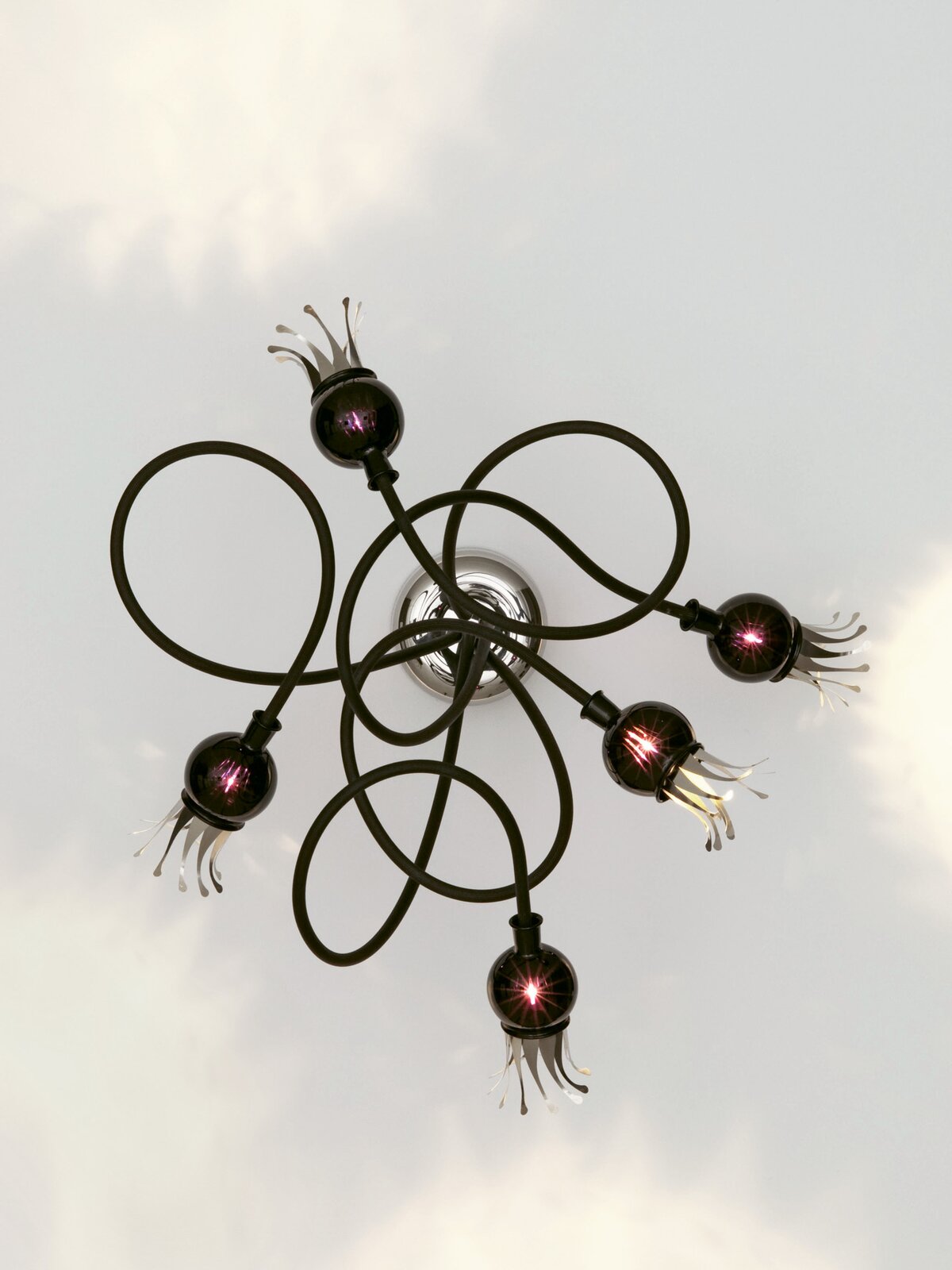
serien.lighting has worked with external designers since the mid-1980s. They bring new design perspectives, enrich the development process and broaden the product range.
Designs do not emerge in isolation. Ideas are developed together, questioned in terms of construction and worked through to the smallest detail. Design, development and technology interact from the outset – new impetus leads to a shared solution.
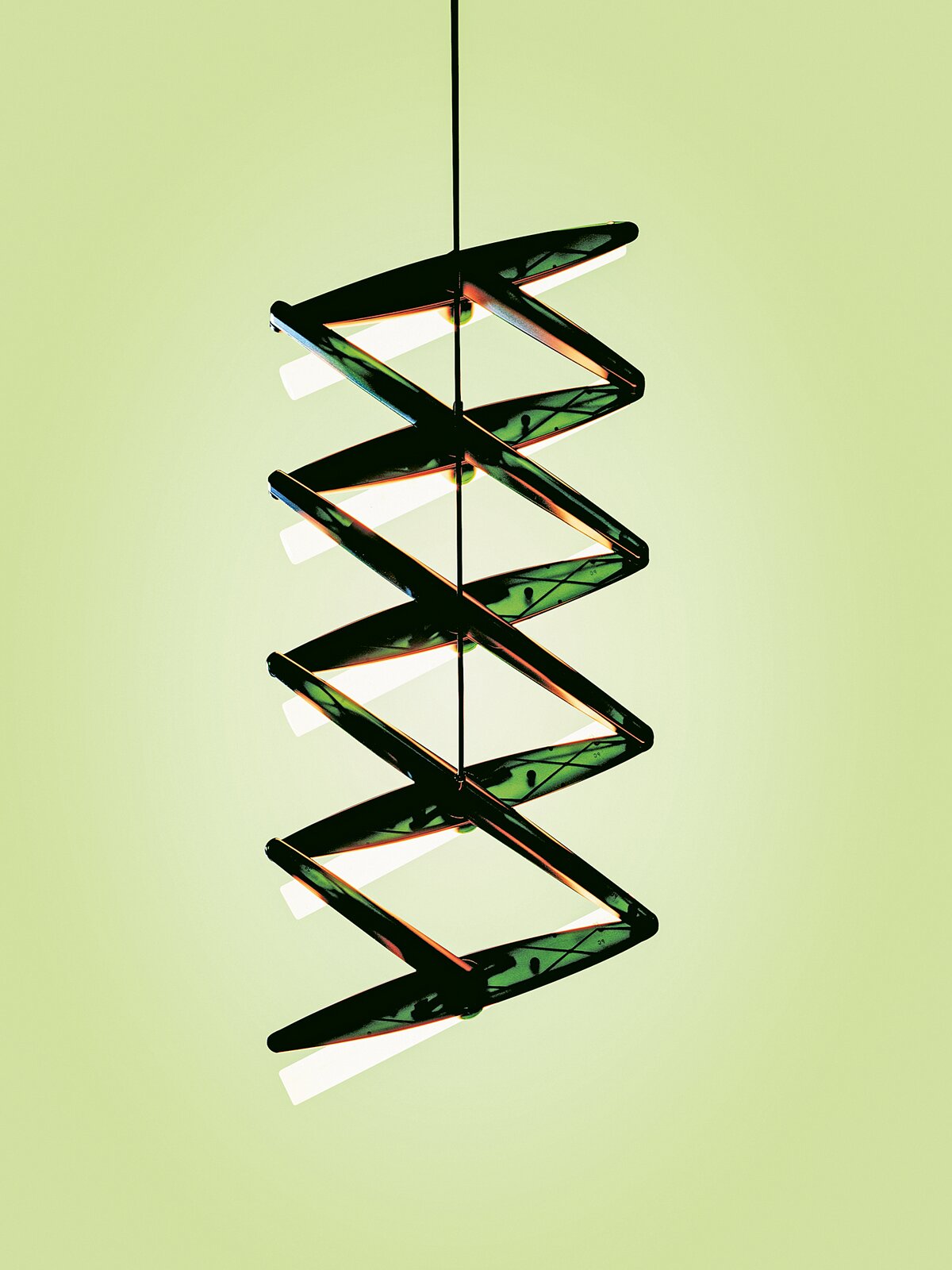
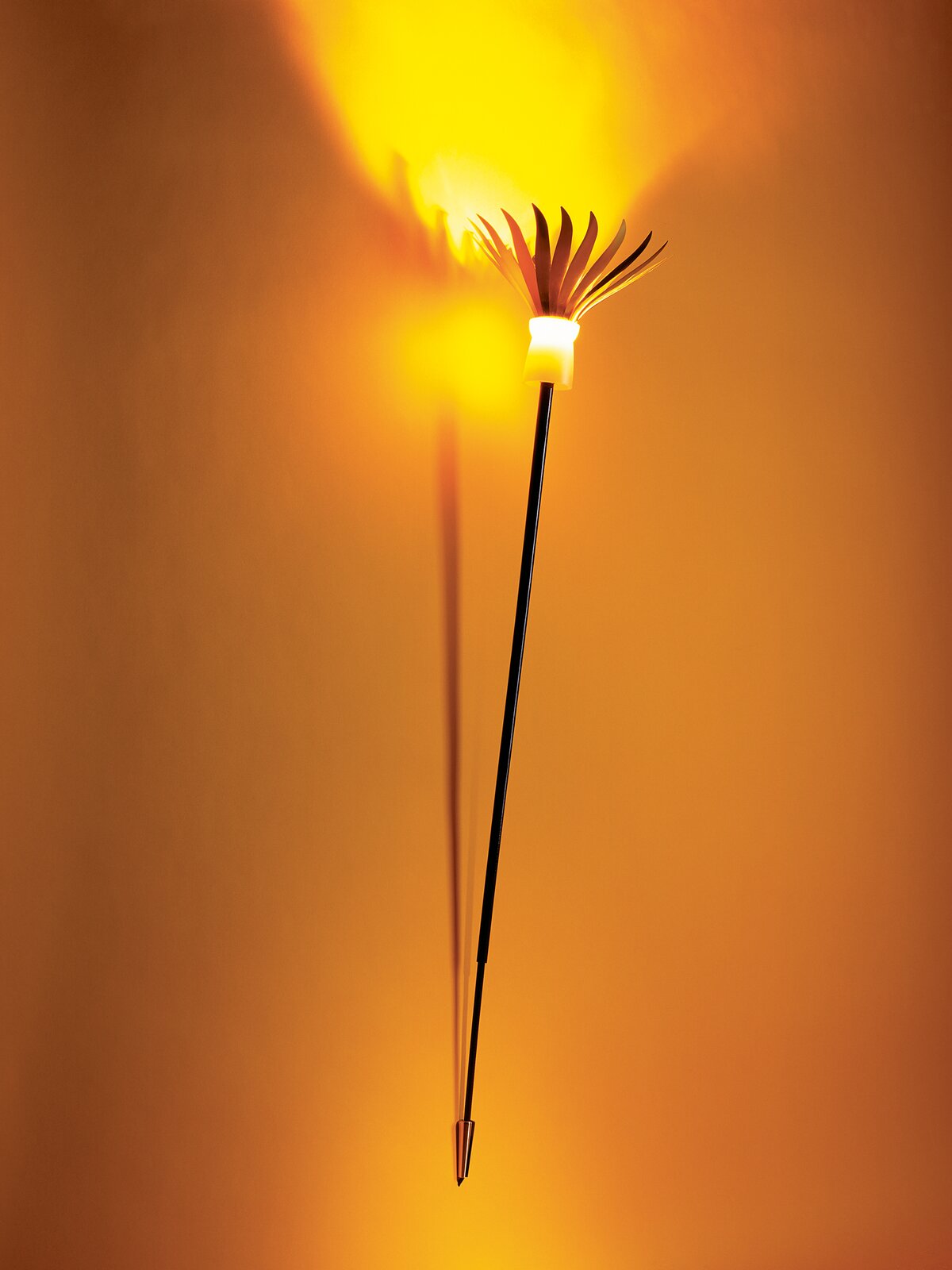
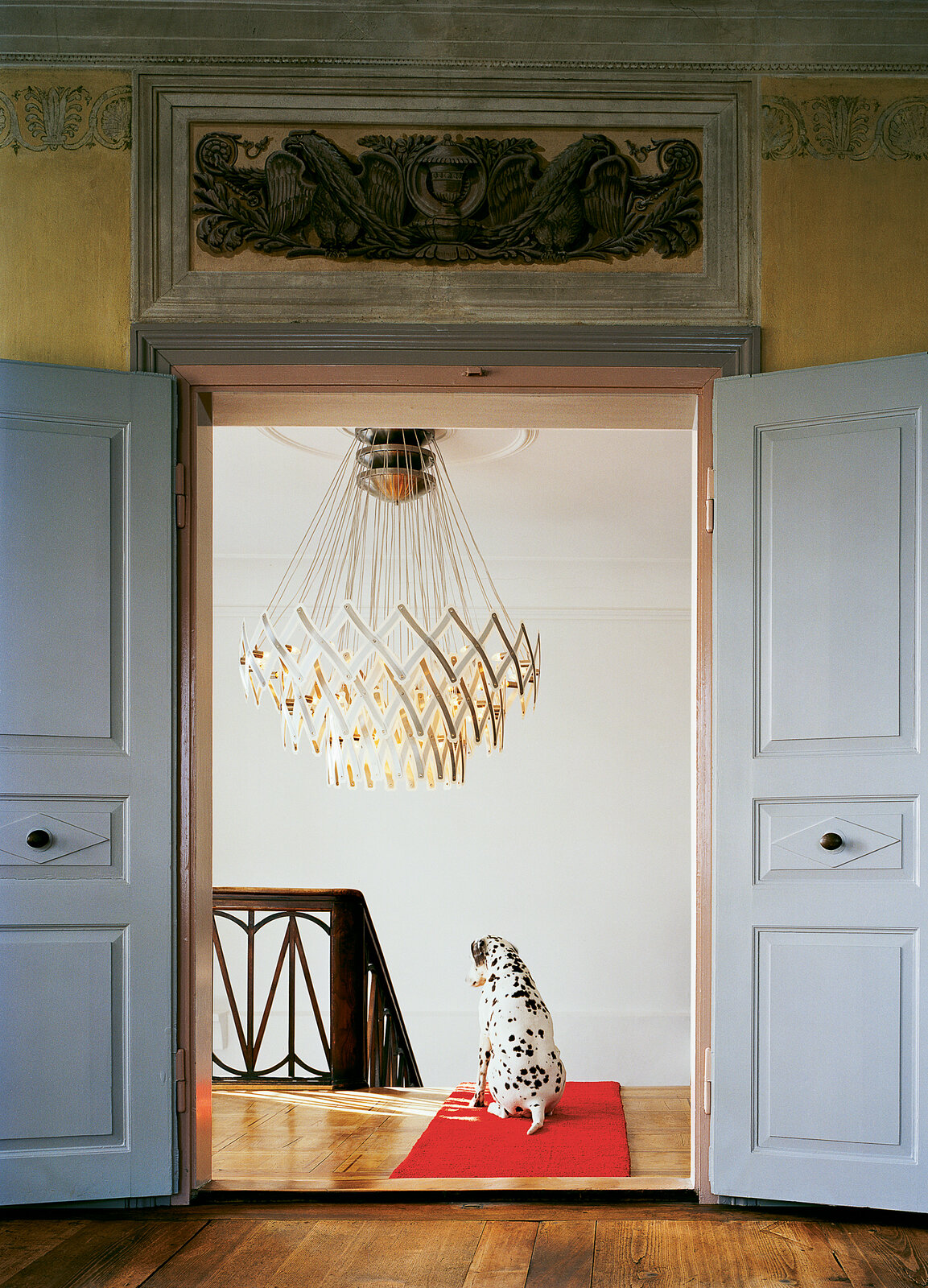
Some designs acquire particular significance within the programme. ZOOM, for example, translates the scissor-grid principle into a circular, adjustable structure.
2000
New Possibilities
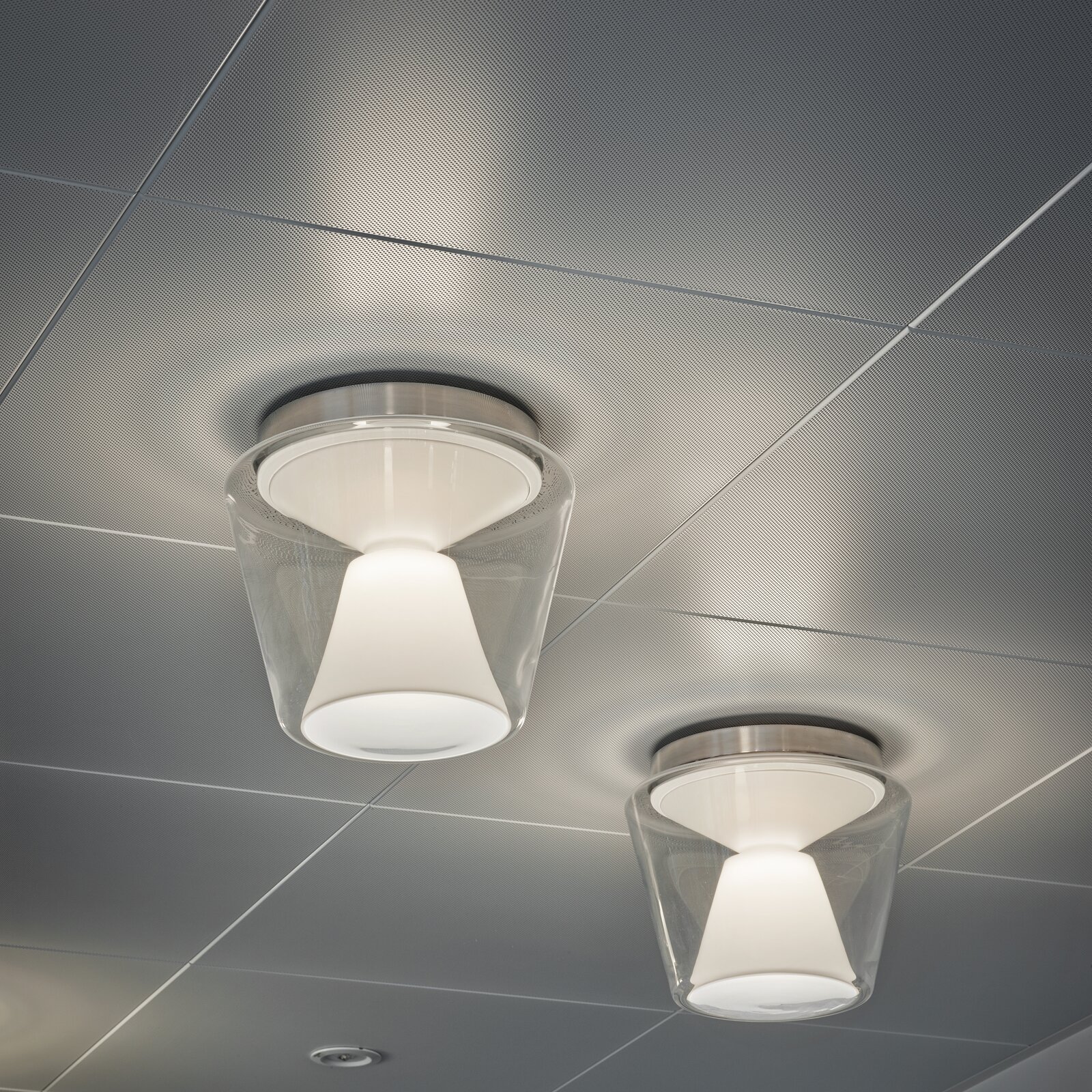
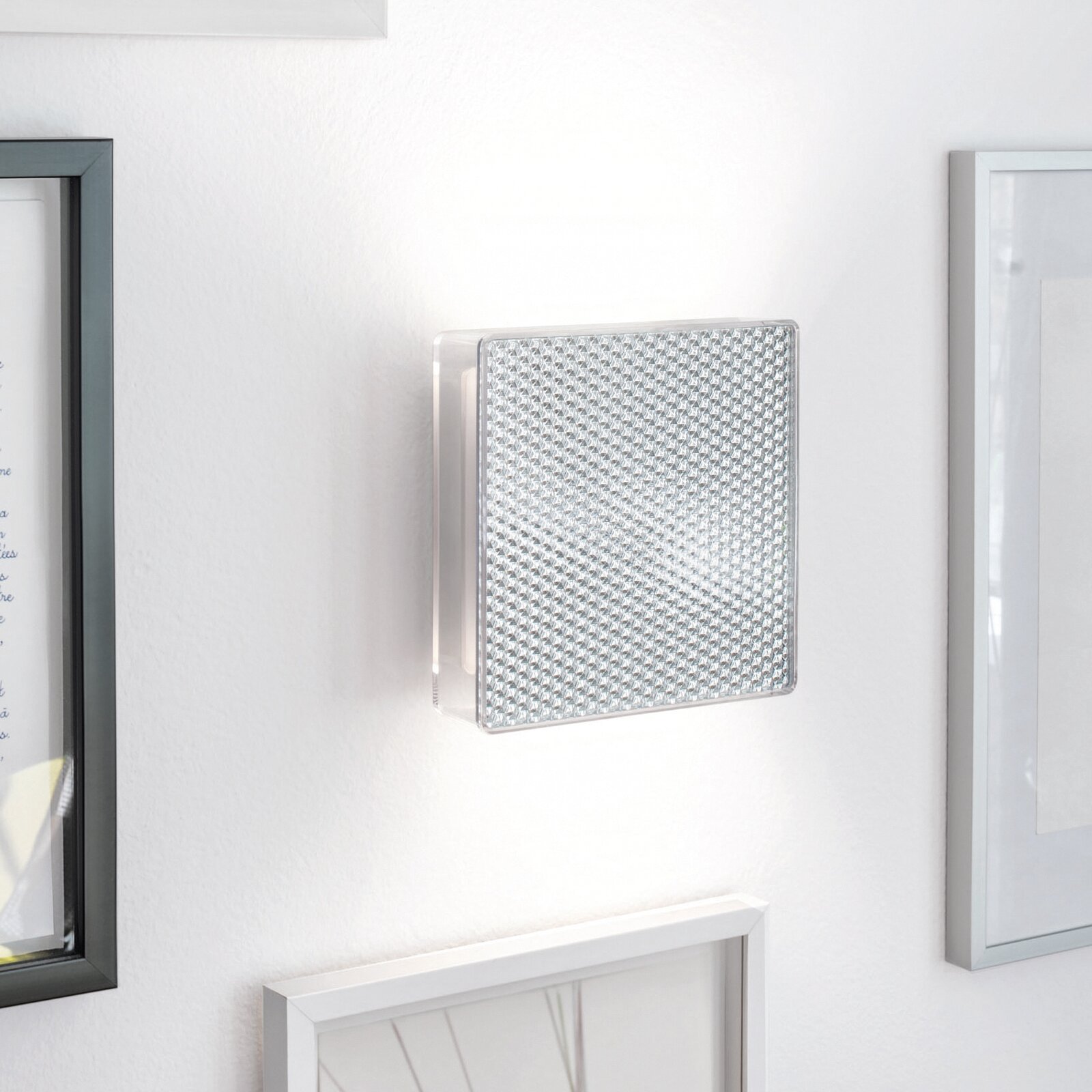
New lighting technologies fundamentally change what is possible in luminaire development. Smaller light sources, more precise optics and new materials allow greater freedom in construction and broaden the scope for design.
serien.lighting uses these developments both to refine existing products and to create new solutions. Technological progress is not an end in itself; it opens up new possibilities for design, lighting technology and materials.
2010
Continuous Development
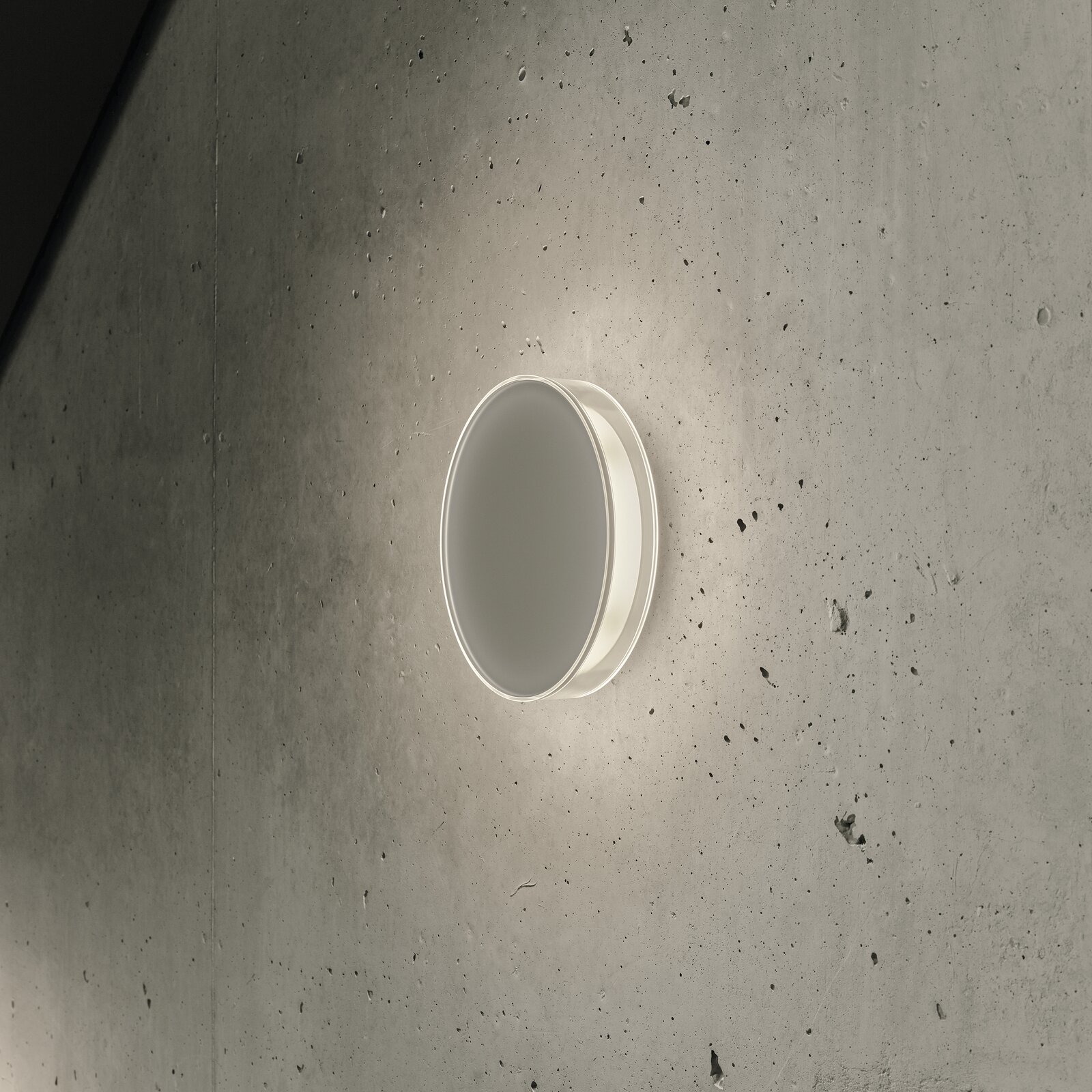
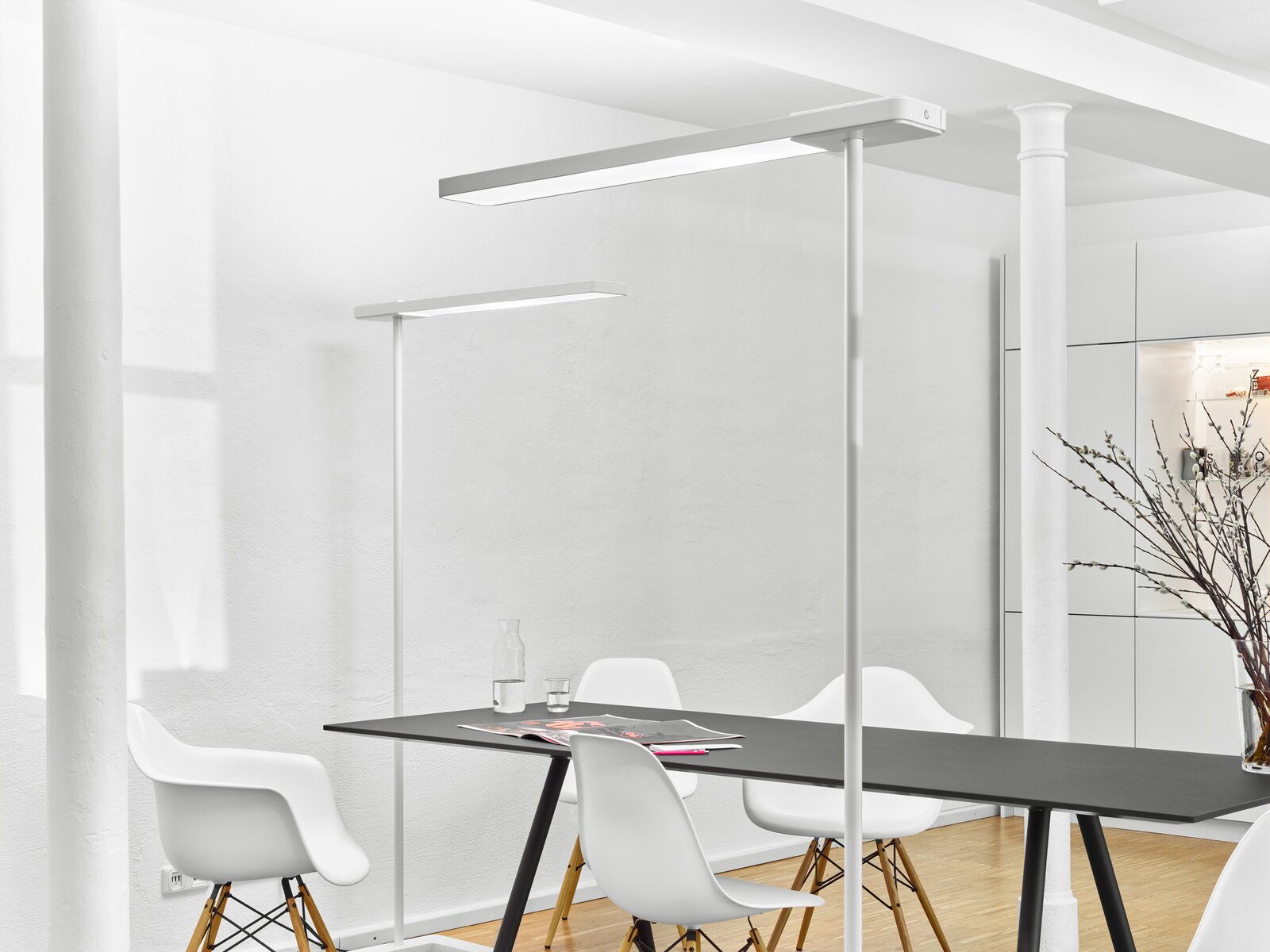
Many luminaires remain in the product range for years or even decades. Technical advances, experience gained from projects and new requirements lead to the continuous revision and expansion of existing product families.
New variants often emerge from specific practical requirements. Development therefore does not end with a product’s launch, but continues throughout the entire life cycle of a luminaire.
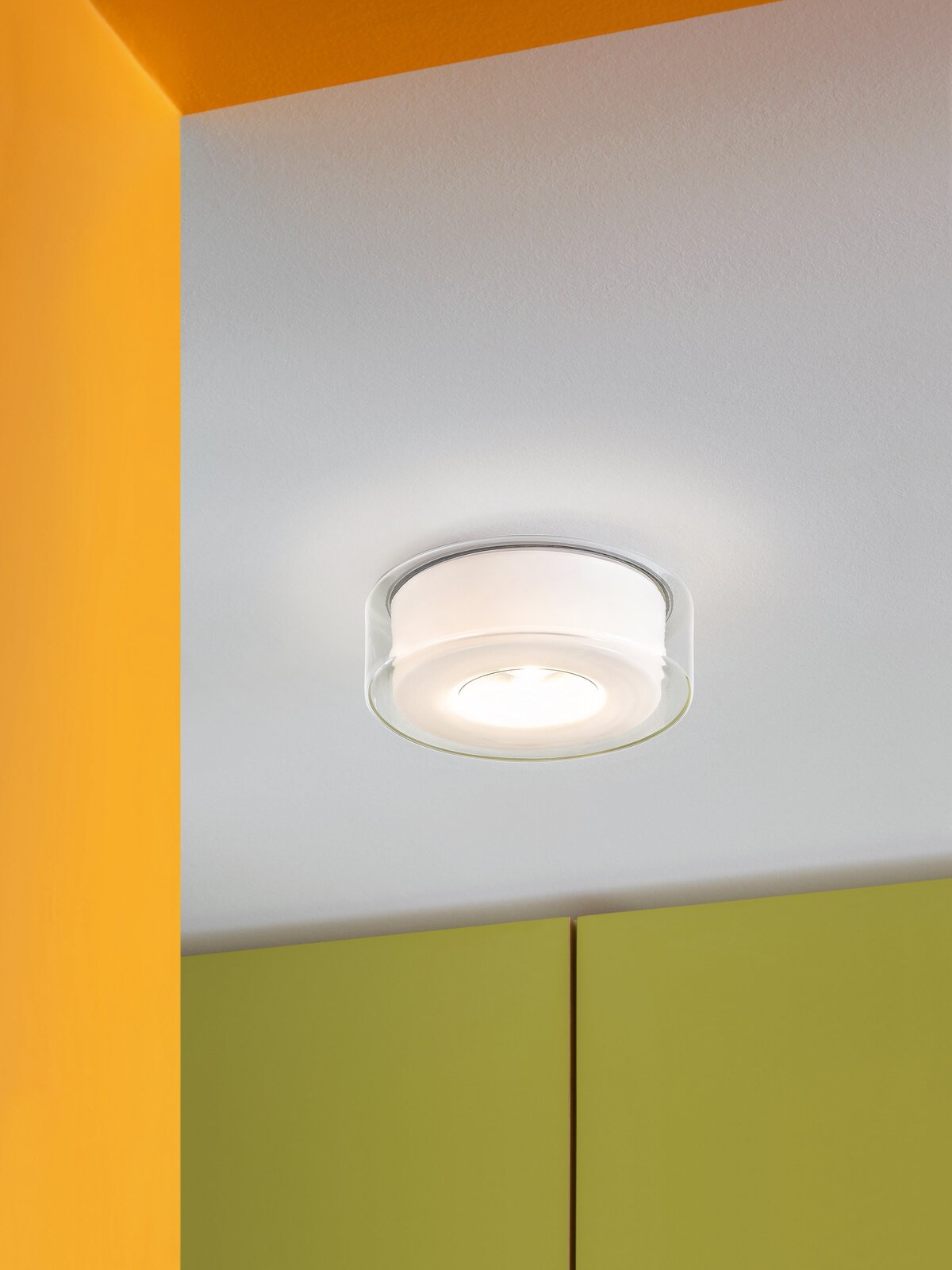
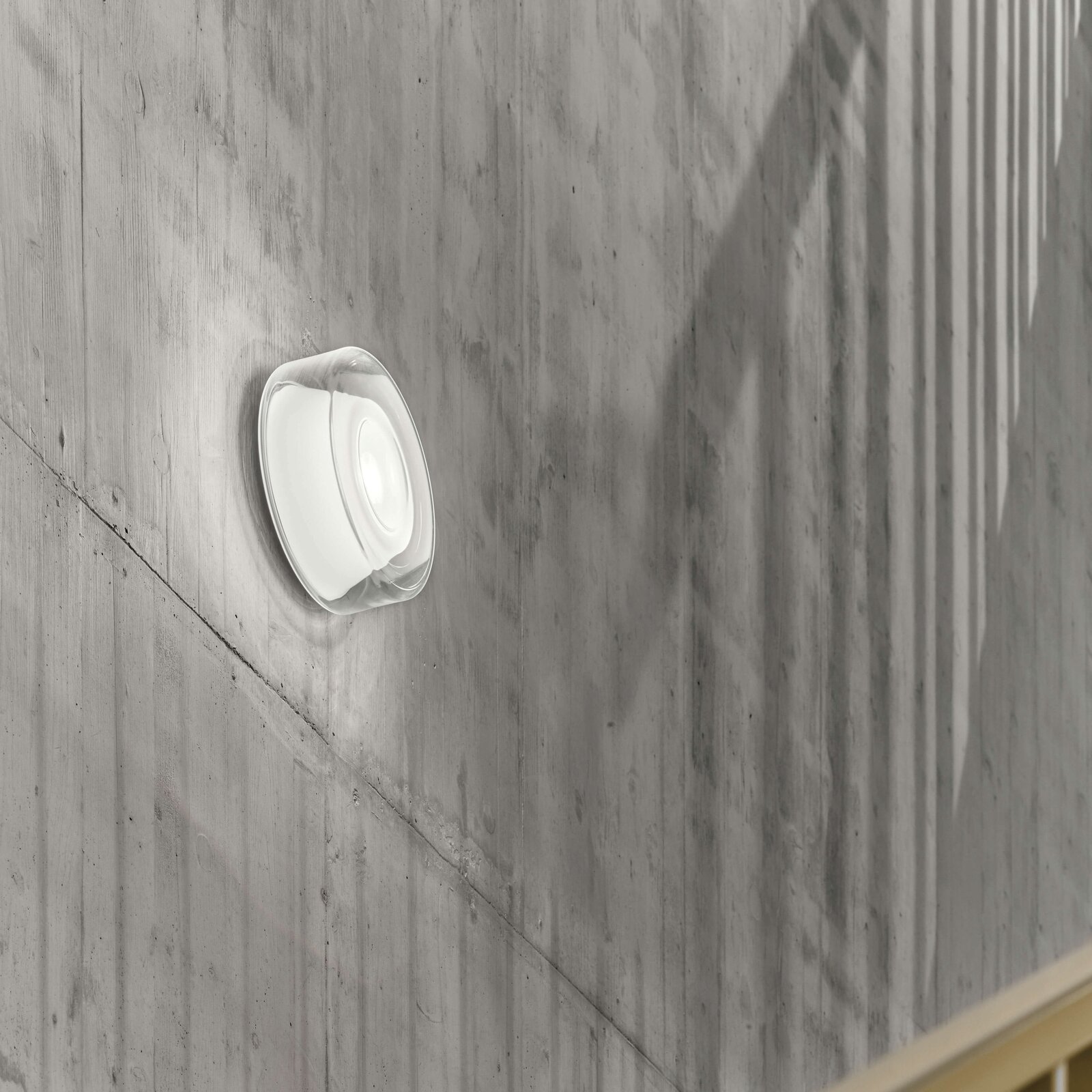
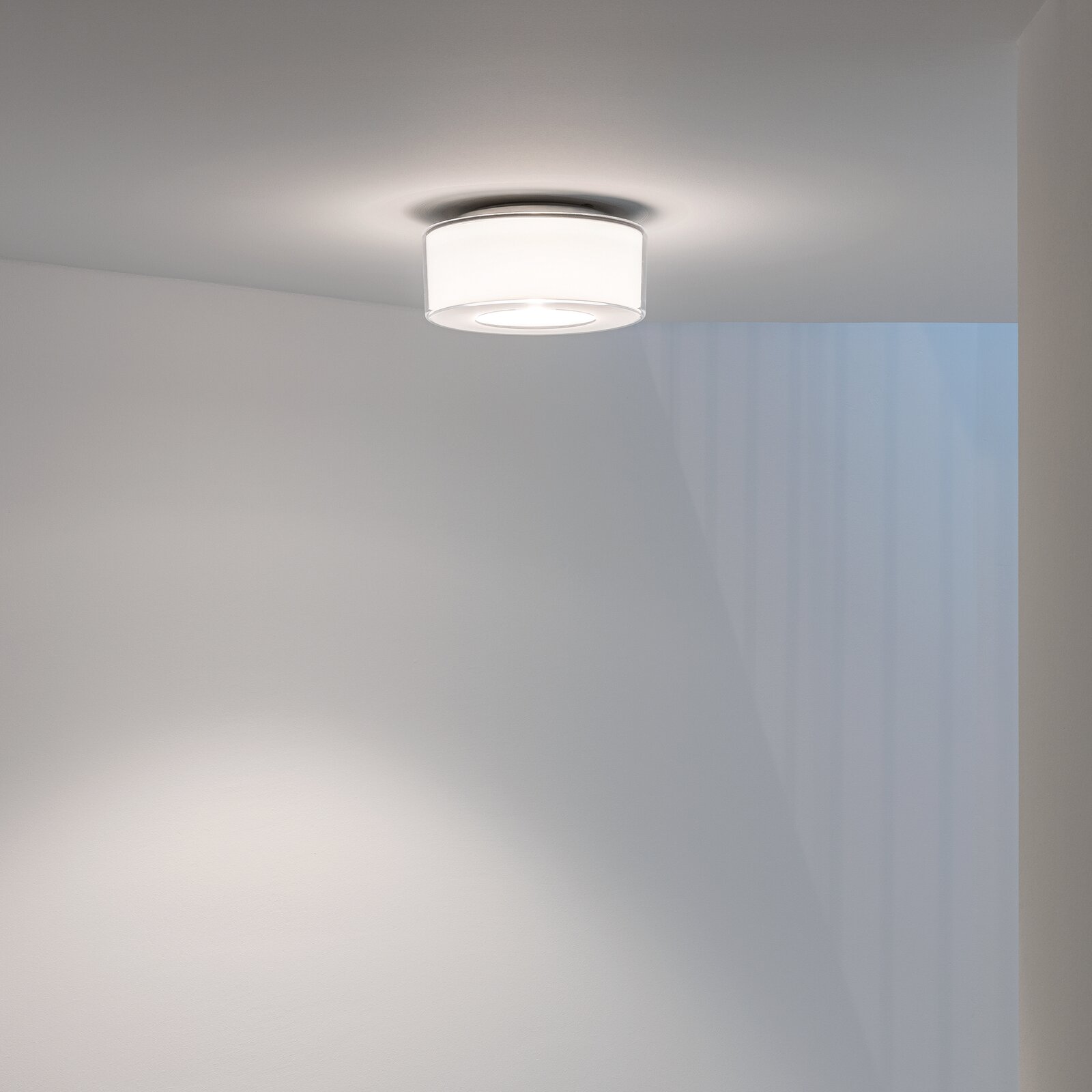
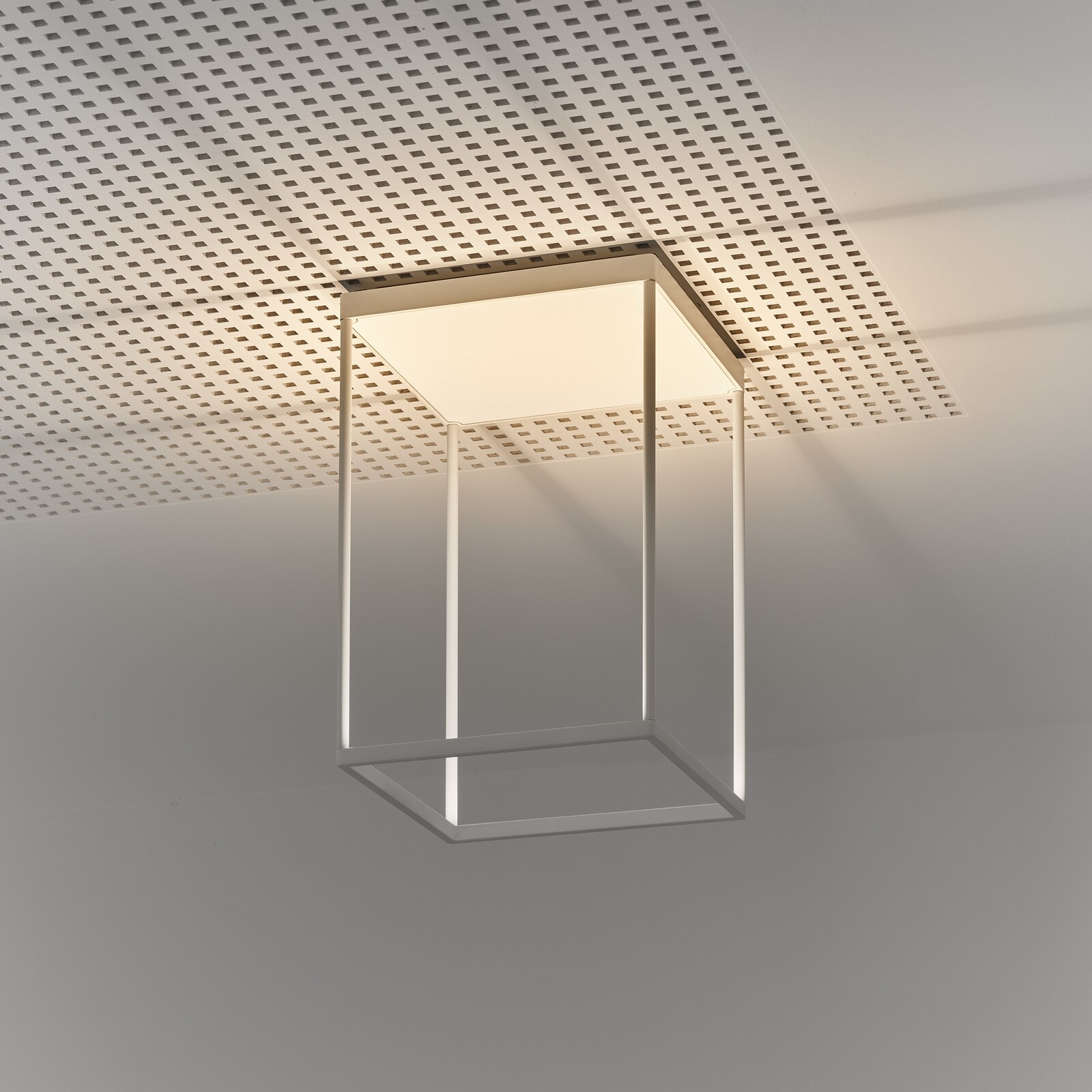
Cooling, optics and electronic components become integral parts of the design. The resulting solutions differ significantly from earlier luminaires in both construction and form.
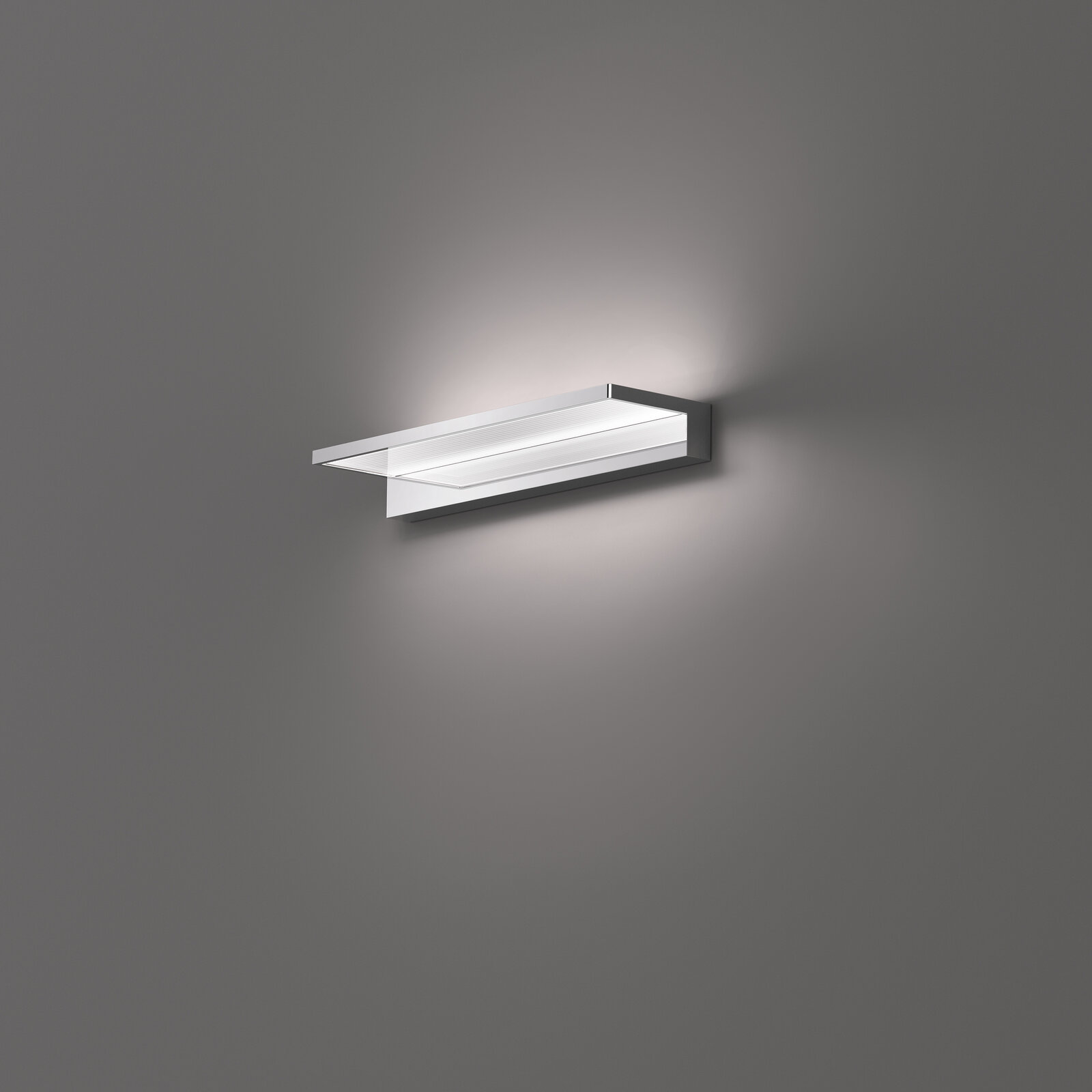
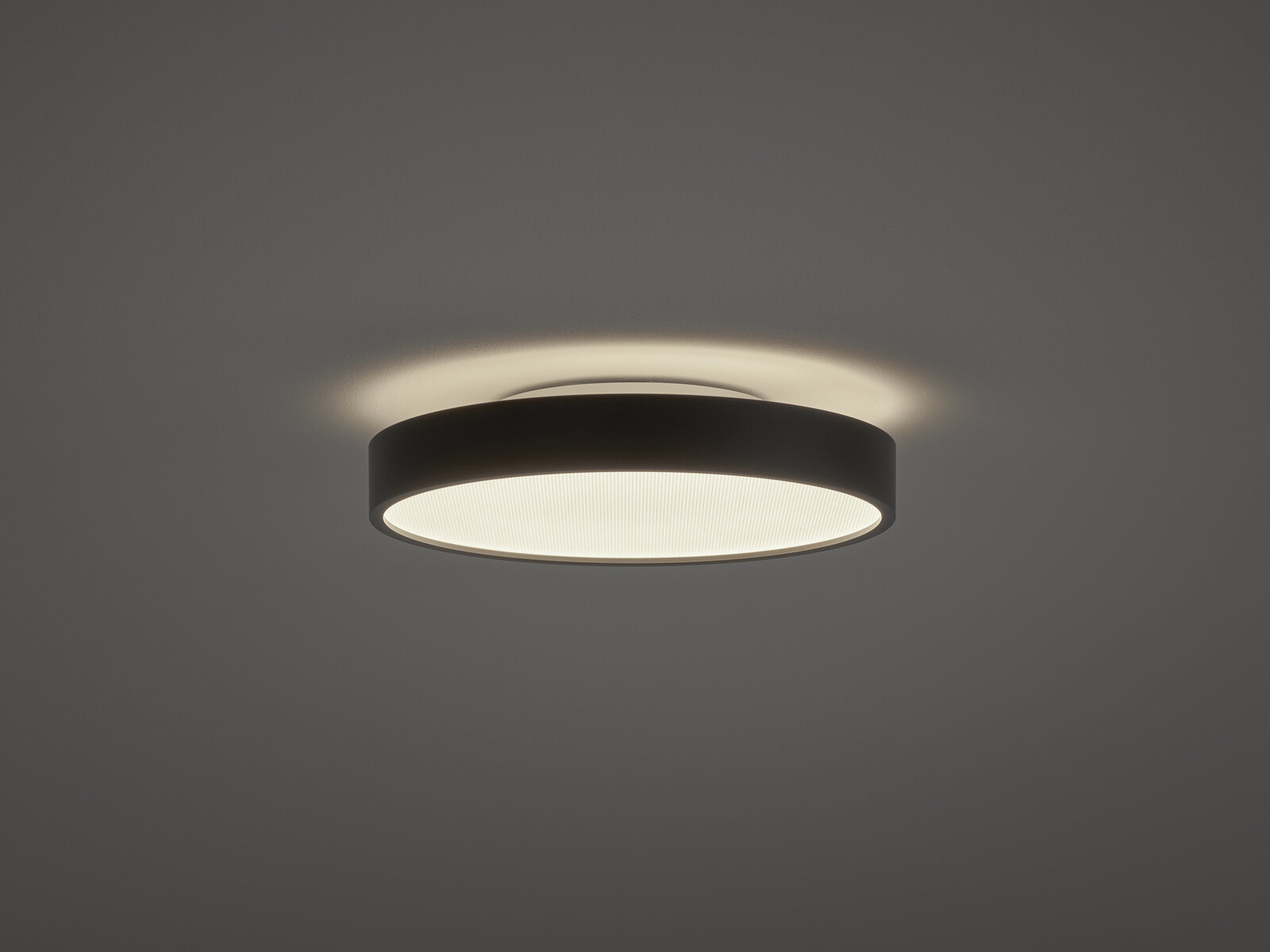
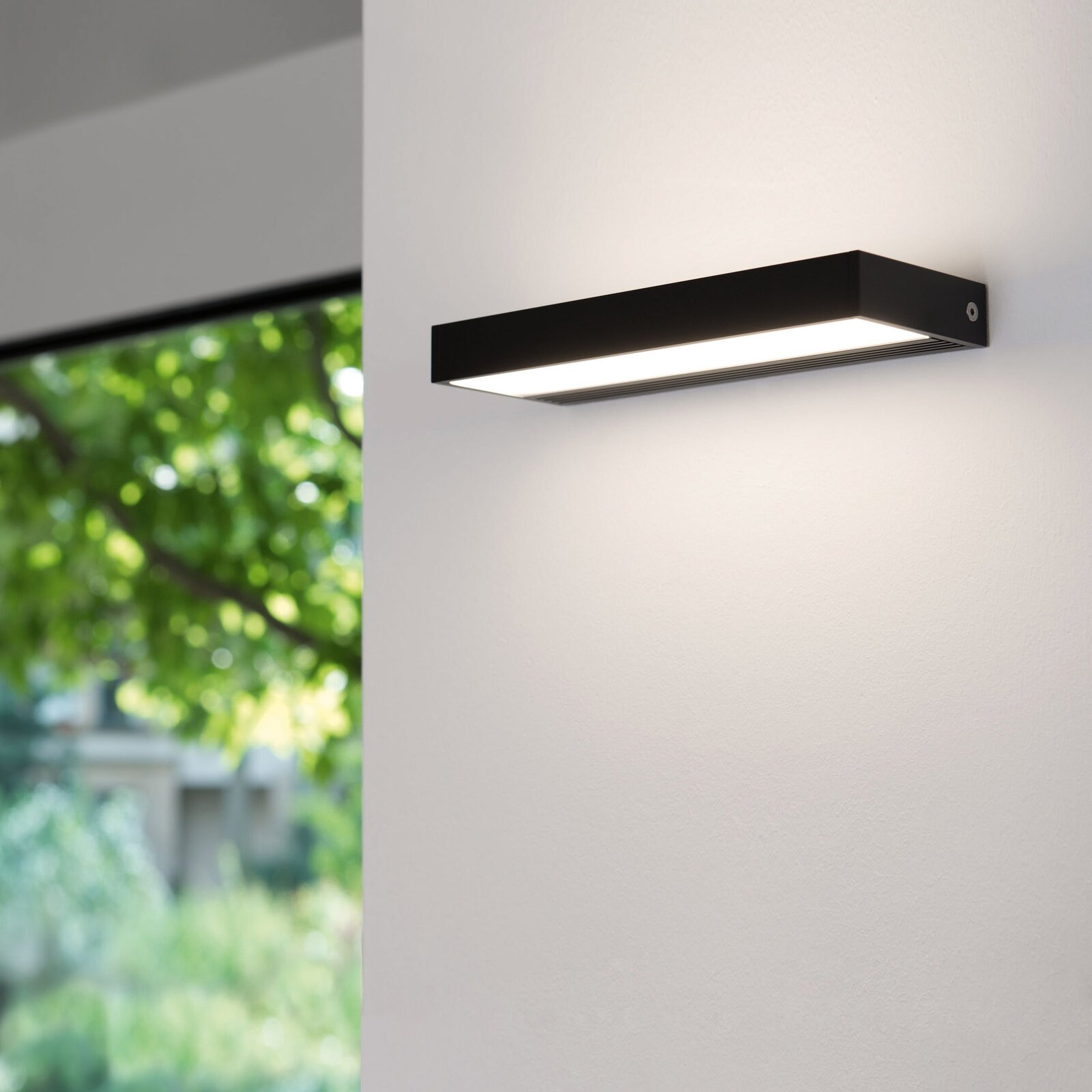
The same principle applies when existing designs are developed further: new generations such as SML² and REFLEX² revisit the original ideas, but are completely re-engineered to meet changed technical conditions.
2024
IN SERIEN
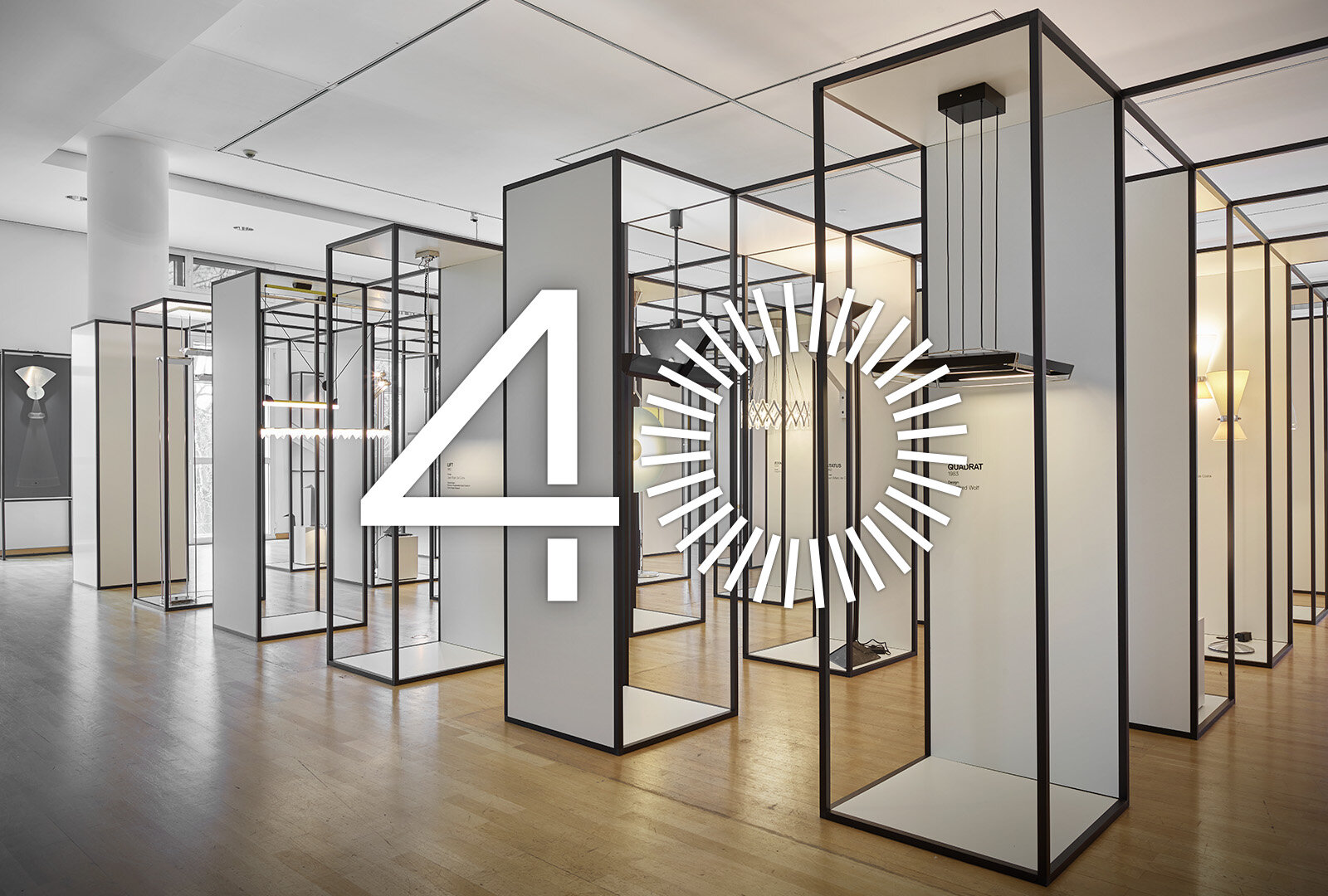
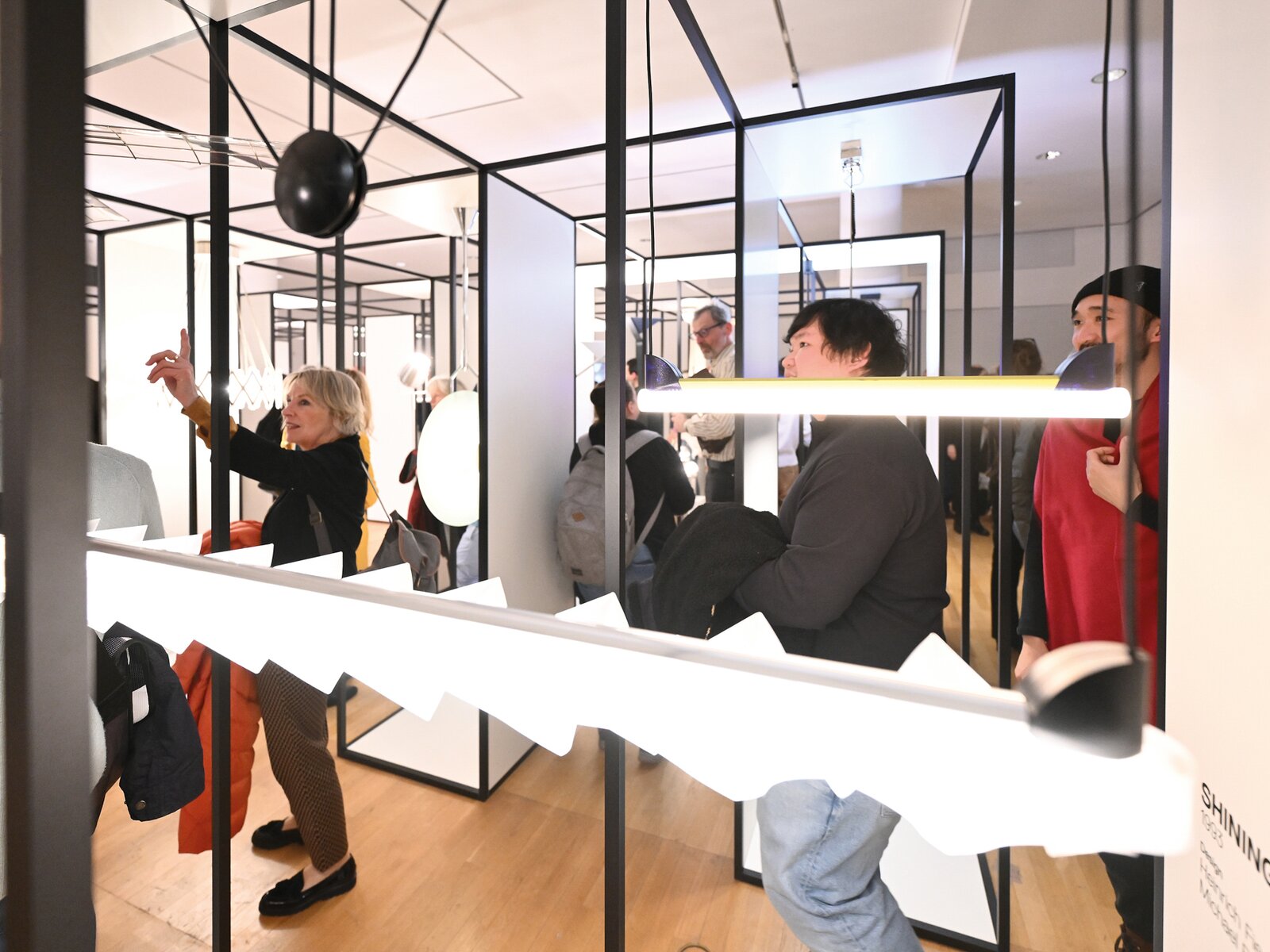
In 2024, serien.lighting celebrated its 40th anniversary. To mark the occasion, the exhibition
IN SERIEN. Licht. Form. Material.
was created at the Museum Angewandte Kunst in Frankfurt am Main.
today
Four Decades On
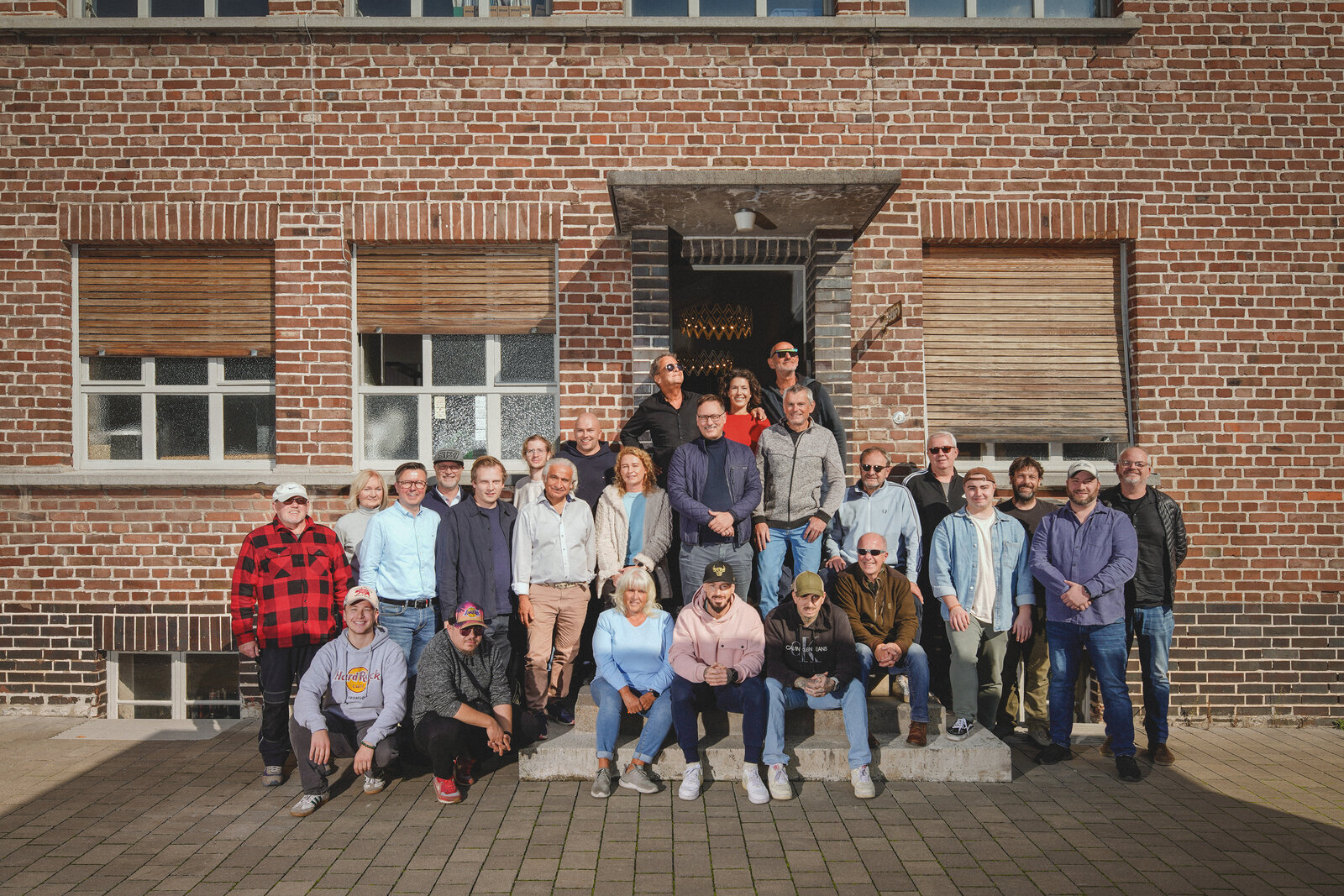
Today, serien.lighting luminaires are used in architecture and interiors around the world. What began as a joint student project has become an international company. The company has changed in many ways; at its core, the way it develops luminaires has remained the same.
The full story is documented comprehensively for the first time in serien.book – not only the development of the luminaires, but also the people and ideas behind them.
